The Secret Power of Serialization
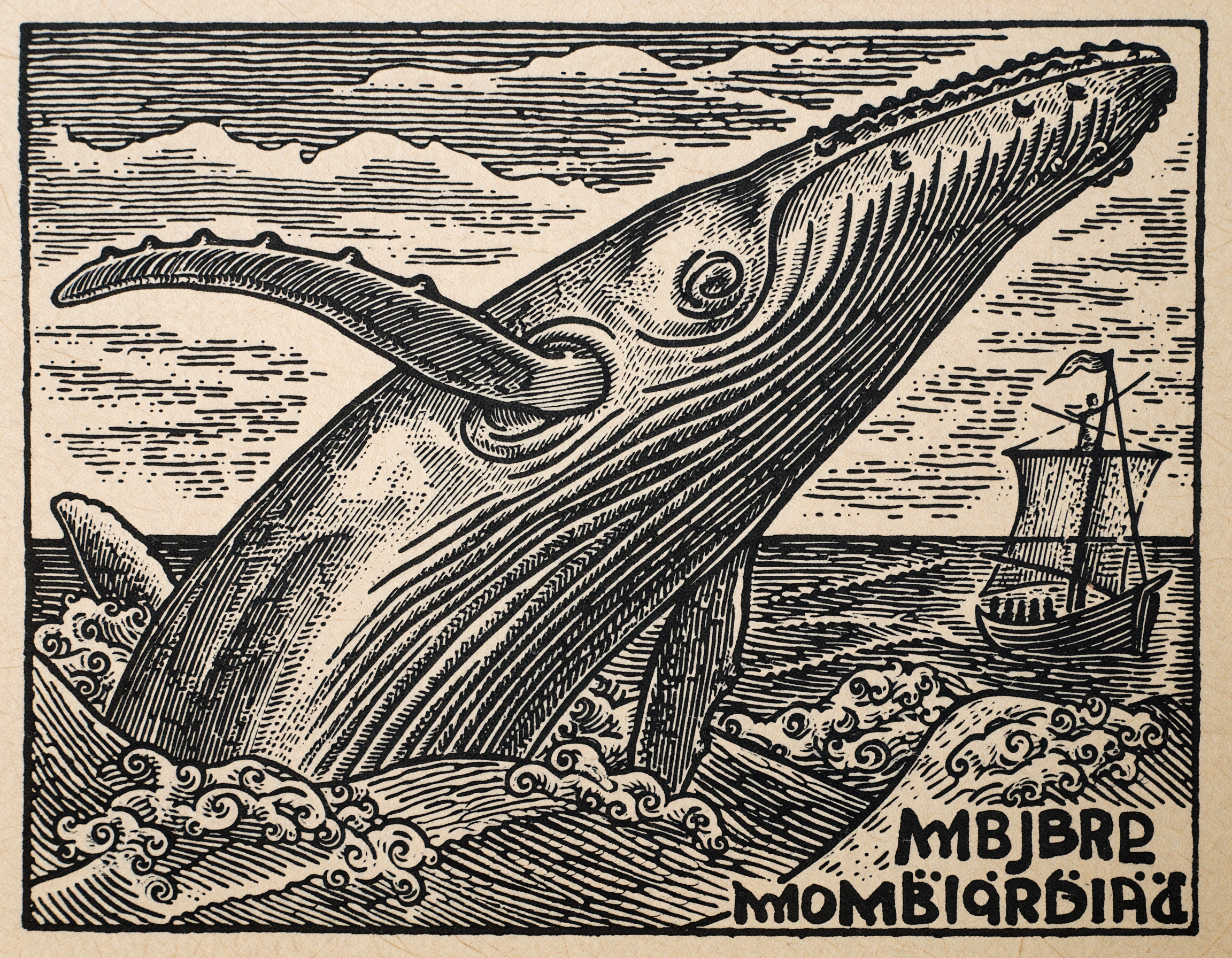
Wood cut of a whale hunt
The linqua franca of the digital era is ‘attention’. Companies and individuals perpetually vye for the user’s attention, employing attention-grabbing techniques that are sophisticated (as well as sometimes downright-crude.
Serialization is a time-honored way to effectively capture a reader’s attention on a long-term basis. Charles Dickens represents the classic example, dividing his stories into readable portions and then delivering installments in monthly literary magazines or weekly in his own magazines, which he self-published to attain more control over the output.
Similar installment publishing processes were used by Alexander Dumas for The Three Musketeers and The Count of Monte Cristo, Harriet Beecher Stowe for Uncle Tom’s Cabin, Sir Arthur Conan Doyle for the Sherlock Holmes stories, George Eliot for Middlemarch, and Fyodor Dosoevsky for The Brothers Karamazov.
And in the 20th century, noteworthy writers have used this installment approach, including Steven King with The Green Mile, Agatha Christie for many of her works, and Michael Chabon with Gentlemen of the Road in the New York Times Magazine.
In the 21st century, the fluidity and global reach of the Internet have taken the installment process to new heights, including the advent of streaming audiobooks, giving a new dimension to storytelling. Works such Moby Dick, which hardly made a ripple in the literary world, now flourishes more than 100 years later as the Moby Dick Big Read. Featuring a number of narrators—some celebrities and some dedicated volunteers—the book was released as 136 separate installments.
The leviathan project (pun intended) was conceived by The Arts Institute Whale Festival (2011), curated by Philip Hoare (https://philiphoare.co.uk/), and hosted by the The Arts Institute, University of Plymouth (https://www.mobydickbigread.com/). The work also appears as individual installments on Spotify (https://open.spotify.com/show/3PxKjwSQfNpNa2asNnHFsW), albeit punctuated with occasional ads.
The Internet has spawned a wealth of ways for writers to reach an audience of readers, eliminating the traditional gatekeepers. Wattpad (https://www.wattpad.com) boasts more than 1 billion members, a lively community, and has channeled some writers to career success. Substack (https://substack.com/home) provides the mechanism for writers to publish to email subscribers for a set fee. Other web venues make it possible for enterprising writers support themselves in ways that would have seemed impossible 25 years ago.
